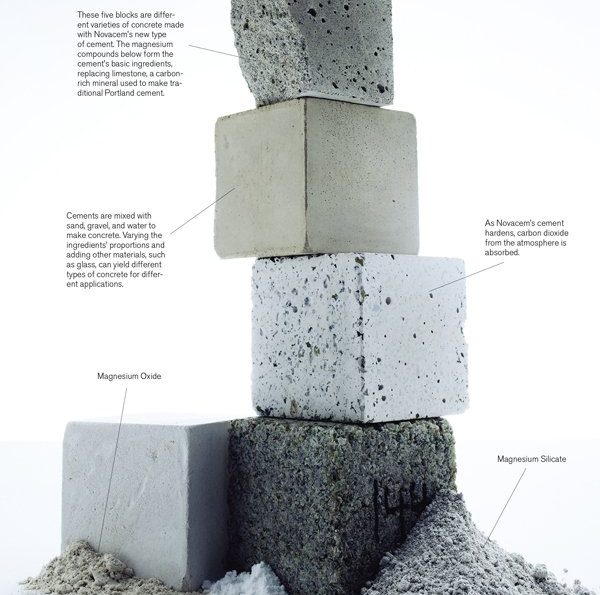
5 Key Benefits of GGBFS for Sustainable Construction in 2026
5 Key Benefits of GGBFS for Sustainable Construction in 2026
The construction industry stands at a pivotal crossroads. With cement production accounting for approximately 8% of global CO₂ emissions, the urgent need for sustainable alternatives has never been greater. Ground Granulated Blast Furnace Slag (GGBFS) emerges as a transformative solution, offering both environmental benefits and superior performance characteristics. This comprehensive guide explores why GGBFS is becoming the material of choice for forward-thinking construction professionals worldwide.
What is GGBFS?
Ground Granulated Blast Furnace Slag is a cementitious material produced by rapidly quenching molten iron slag from a blast furnace with water or steam. This process creates granular particles that are then ground into a fine powder. As a by-product of steel manufacturing, GGBFS represents a prime example of industrial symbiosis—transforming what would otherwise be waste into a valuable construction material.
The chemical composition of GGBFS closely resembles that of Portland cement, containing calcium, silicon, aluminum, and magnesium oxides. However, unlike cement, GGBFS requires an activator (typically the calcium hydroxide released during cement hydration) to develop its binding properties.
1. Dramatic Reduction in Carbon Emissions
Perhaps the most compelling advantage of GGBFS lies in its environmental credentials. Recent research published in Nature demonstrates that complete cement replacement using GGBFS with suitable activators can achieve up to 90% CO₂ emission reduction, bringing emissions down to just 40.3 kg-CO₂/m³ compared to conventional concrete.
Even partial replacement yields significant benefits. Studies show that incorporating 50% GGBFS in concrete mixtures reduces greenhouse gas emissions by 14-37%. When combined with fly ash, this reduction can reach an impressive 47% compared to traditional Portland cement concrete.
For construction companies facing increasingly stringent environmental regulations and carbon taxation, GGBFS offers a practical pathway to meet sustainability targets without compromising structural integrity.
2. Enhanced Durability and Longevity
GGBFS-modified concrete demonstrates superior durability characteristics that translate into longer service life and reduced maintenance costs:
Reduced Permeability: The refined pore structure of GGBFS concrete significantly reduces water and chloride ion penetration, making it ideal for marine structures, bridges, and infrastructure exposed to de-icing salts.
Improved Chemical Resistance: GGBFS concrete exhibits enhanced resistance to sulfate attack and alkali-silica reaction (ASR), common causes of concrete deterioration in aggressive environments.
Higher Long-term Strength: While initial strength development may be slower than conventional concrete, GGBFS concrete continues to gain strength over time, often exceeding the ultimate strength of Portland cement concrete.
3. Superior Workability and Finish
Construction professionals consistently report improved workability when using GGBFS in their concrete mixtures. The finer particle size and spherical shape of GGBFS particles contribute to:
- Enhanced flowability and pumpability
- Reduced water demand for equivalent slump
- Improved surface finish with fewer bug holes
- Extended working time in hot weather conditions
- Better consolidation around reinforcement
These characteristics make GGBFS particularly valuable for architectural concrete applications where aesthetic quality is paramount.
4. Cost-Effective Solution
From an economic perspective, GGBFS presents a compelling value proposition:
Lower Material Costs: As an industrial by-product, GGBFS typically costs less than Portland cement, offering direct material savings.
Reduced Lifecycle Costs: The enhanced durability of GGBFS concrete translates into lower maintenance and repair expenses over the structure's lifespan.
Carbon Credit Potential: In jurisdictions with carbon pricing mechanisms, the reduced emissions associated with GGBFS use may generate valuable carbon credits.
Waste Diversion Benefits: Using GGBFS diverts industrial waste from landfills, potentially qualifying projects for green building certifications and associated incentives.
5. Versatile Applications Across Industries
GGBFS has proven its value across diverse construction applications:
Infrastructure Projects: Highways, bridges, tunnels, and marine structures benefit from GGBFS's durability and resistance to aggressive environments.
High-Rise Construction: The improved workability and pumpability of GGBFS concrete make it ideal for high-rise buildings requiring concrete placement at significant heights.
Mass Concrete Applications: The lower heat of hydration associated with GGBFS reduces thermal cracking risks in massive concrete pours such as foundations and dams.
Precast Elements: Precast manufacturers appreciate GGBFS's contribution to surface quality and long-term strength development.
Implementation Considerations
While GGBFS offers numerous advantages, successful implementation requires attention to several factors:
Curing Requirements: GGBFS concrete benefits from extended moist curing to achieve optimal strength development. Proper curing practices are essential for realizing the material's full potential.
Cold Weather Precautions: Slower early strength gain means GGBFS concrete may require additional protection in cold weather conditions.
Mix Design Optimization: Working with experienced suppliers to optimize mix designs for specific applications ensures the best balance of performance characteristics.
Partner with Z-LINK ECO Mineral
At Z-LINK ECO Mineral, we specialize in supplying premium-quality GGBFS to construction professionals worldwide. Our products meet international standards and are backed by comprehensive technical support to help you achieve your sustainability and performance goals.
Our GGBFS Specifications:
- Fineness: 400-500 m²/kg (Blaine)
- Activity Index: ≥95% at 28 days
- Packaging: 1.5MT jumbo bags
- Container Load: ~24MT per 20-foot container
Whether you're working on infrastructure projects in the Middle East, high-rise developments in Southeast Asia, or sustainable construction initiatives anywhere in the world, Z-LINK ECO Mineral is your trusted partner for quality GGBFS supply.
Conclusion
As the construction industry accelerates its transition toward sustainability, GGBFS stands out as a proven, practical solution that delivers both environmental benefits and enhanced performance. The material's ability to dramatically reduce carbon emissions while improving concrete durability makes it an essential component of modern sustainable construction practices.
For construction professionals seeking to reduce their environmental footprint without compromising quality, GGBFS represents not just an alternative—but an upgrade.
Ready to explore how GGBFS can benefit your next project? Contact our team [blocked] for technical specifications, pricing, and expert guidance on incorporating GGBFS into your construction materials strategy.
Related Articles

Subscribe to Our Newsletter
Get the latest articles delivered to your inbox
We respect your privacy. Unsubscribe at any time.